
Football history does not always rely on loud rivalries or weekly clashes. Some matchups matter because they show how clubs grow, fall, and return over time. The timeline between AC Milan and SSC Bari fits that idea well. These teams met across different eras of Italian football, often separated by league status and long gaps. Each meeting reflected the balance of power at that moment.
Many fans search this topic to understand the order and meaning. They want to know when matches happened, how results changed, and why meetings stopped for years. Simple match lists do not answer those questions. A clear timeline with context helps fans, writers, and casual readers understand the full picture without confusion or hype.
How This Matchup First Began
The first official meetings took place when Bari earned promotion to the top Italian division. At that time, Serie A had fewer teams, which made every promotion feel important. Milan already stood as a strong northern club with better structure and deeper squads. Bari entered the league with pride and strong home support, even if resources stayed limited.
Early matches showed a clear gap. Milan often controlled the pace and scored early goals. Bari focused on defense and effort, especially during away matches. Travel and preparation challenges made northern trips difficult for southern clubs in that era. These factors shaped the first results and set the tone for future meetings.
Despite early losses, Bari continued to fight for survival in Serie A. Staying in the top division mattered as much as winning. That persistence kept the matchup alive and allowed the timeline to grow.
Fans who enjoy detailed match breakdowns may also like this look at Pittsburgh Steelers vs Jacksonville Jaguars player stats, which explains performances clearly.
The 1930s and 1940s: A One-Sided Era
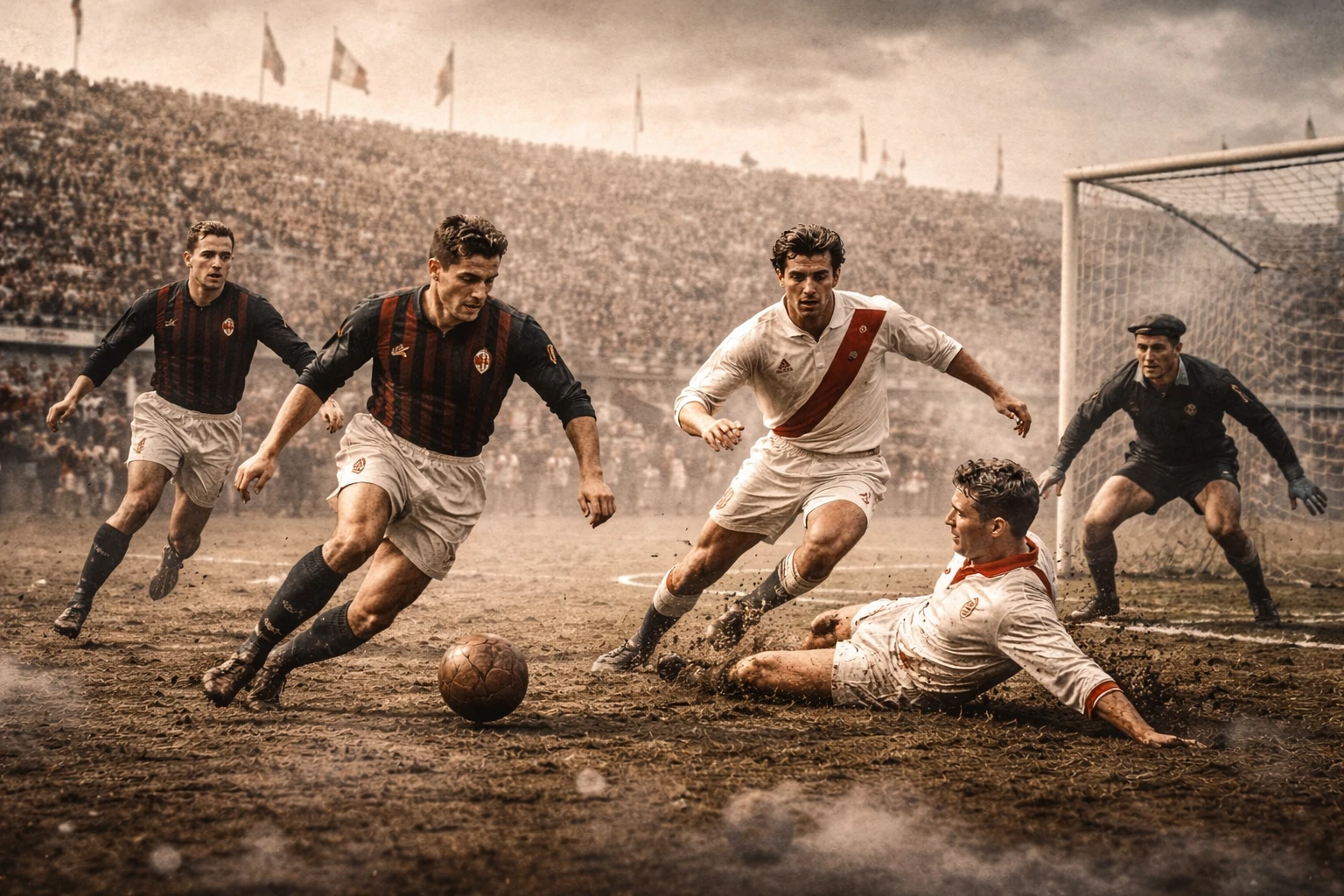
Matches during the 1930s and 1940s heavily favored Milan. Strong squads and better training gave Milan a clear edge. Bari struggled to match that level, especially away from home. Many games ended with Milan goals coming early, which forced Bari into defensive roles.
One match from the late 1940s stands out due to its high score. Milan recorded one of its biggest wins against Bari during this period. That result still appears in historical discussions and often defines how fans remember the early years of this matchup.
Even with those heavy defeats, Bari did not fade away. The club focused on rebuilding and returning stronger. That effort allowed future meetings to feel more competitive.
The 1950s: Gradual Improvement From Bari
Italian football stabilized during the 1950s. Better travel, training, and league organization helped many clubs improve. Bari benefited from that shift and became more structured on the field. Matches against Milan still favored the northern side, yet the gap began to shrink.
Home games in Bari felt intense. Strong crowd support played a role in closer scorelines. Draws appeared more often, and losses stayed narrow. Milan still won most encounters, but matches required more patience and control.
This decade shows why timelines need context. The results changed slowly, not suddenly. Progress came through small steps rather than dramatic moments.
The 1960s: Milan Control Through Structure
Milan entered a strong phase during the 1960s. Tactical discipline and squad depth defined their style. The club also gained European experience, which improved match control even in domestic games.
Bari faced instability during this period. Relegation battles limited growth and consistency. Matches against Milan often followed a familiar pattern, with Bari defending deep and Milan managing the tempo.
A notable Serie A match in 1960 ended with a clear Milan win. The score reflected control rather than chaos, which became common during this era.
The 1970s: Long Gaps and Rare Meetings
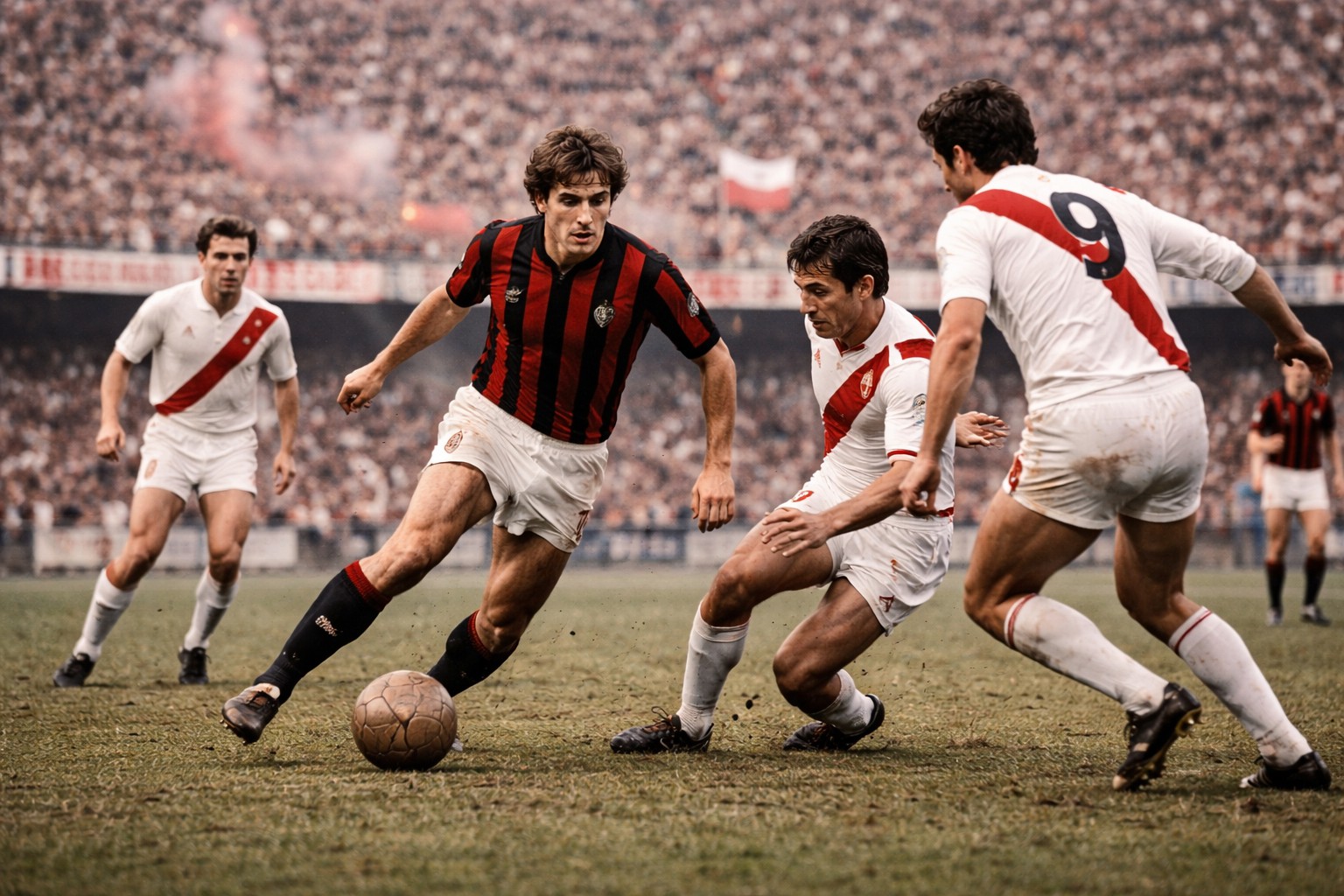
The 1970s created long pauses in the timeline. Bari spent many seasons outside Serie A, which reduced league meetings. Milan remained a top-flight club and focused on domestic and European goals.
Coppa Italia matches kept the connection alive during these years. Cup formats allowed teams from different divisions to meet. These games felt special because they broke long periods of separation.
This era explains why many fans struggle to track the full timeline. Years passed without official matches, which made each meeting feel like a rare event.
The 1980s: Football Enters a New Phase
Television and sponsorship changed Italian football during the 1980s. Clubs gained wider exposure, and match preparation became more professional. Milan rebuilt after internal challenges and prepared for future success.
Bari also worked on restructuring but faced limits due to finances and league position. Matches between the teams during this period felt controlled, with fewer extreme scorelines and more tactical discipline.
This decade marked a shift toward modern football standards.
The 1990s: A Brief Period of Balance
The 1990s added tension to the timeline. Bari returned to Serie A with stronger squads and improved youth development. Milan still held the edge, yet matches became less predictable.
Bari earned a few memorable results during this era, including rare wins and close contests. Tactical awareness helped narrow the gap. Milan relied on experience and depth to maintain control.
These years remain important because they show how planning and development can change outcomes, even against stronger opponents.
Fewer Meetings After 2000
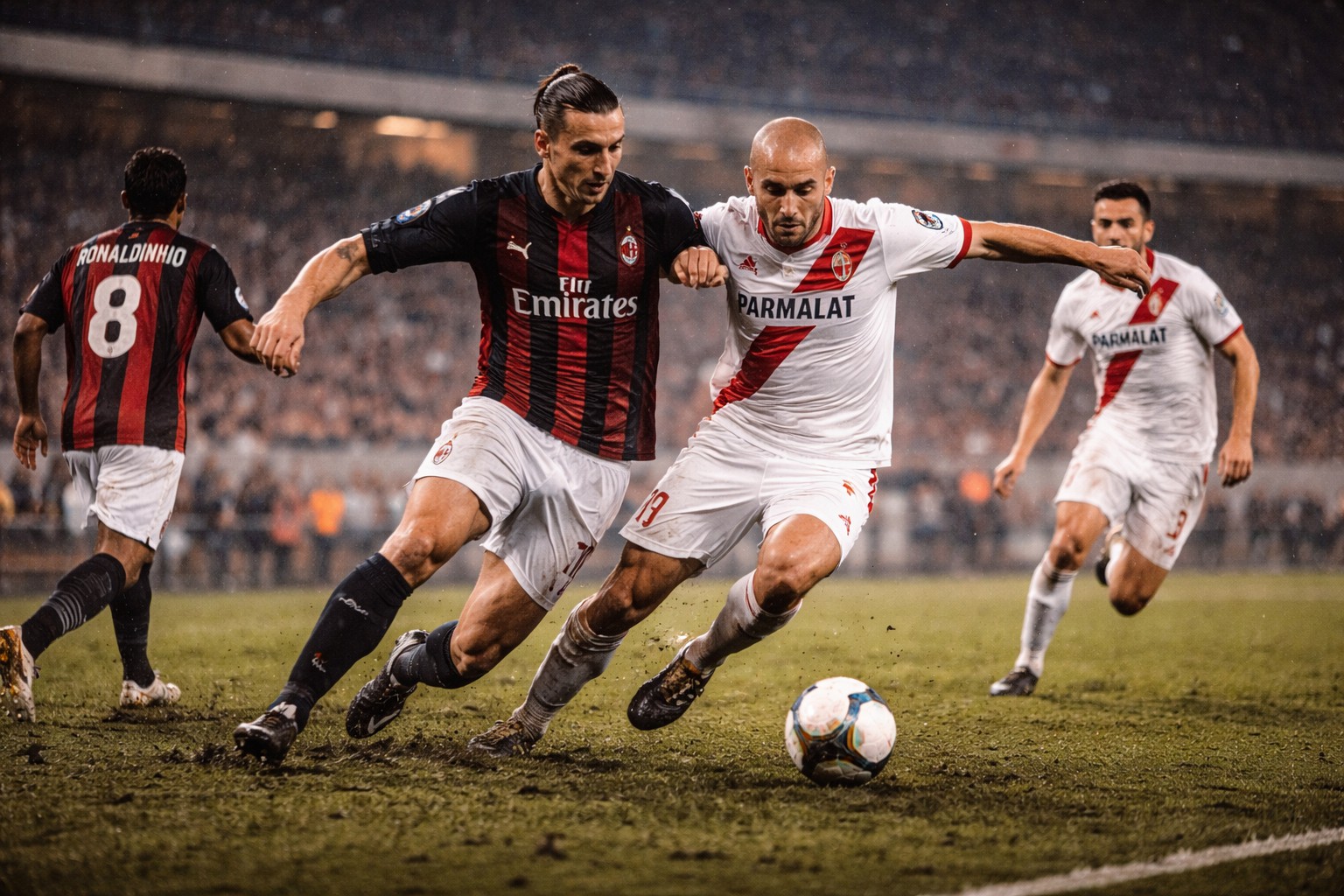
League separation returned in the early 2000s. Bari faced relegation pressure, while Milan competed regularly in European tournaments. League schedules no longer aligned, which reduced chances for meetings.
Cup matches became the main stage for this matchup. Fans treated those games with nostalgia rather than rivalry. Each meeting felt like a reminder of shared history.
The 2011 Coppa Italia Match
A Coppa Italia match in 2011 marked a key moment in the modern timeline. Milan won comfortably, showing depth and experience. Bari struggled to create chances and focused on defense.
This match became one of the last meetings before another long break. It highlighted the growing gap between top-tier and lower-tier clubs in modern football.
Return Meetings in the 2020s
A recent Coppa Italia tie brought the teams together again. Milan hosted Bari in a calm and professional setting. The match followed expectations, with Milan controlling play and securing the win.
Bari showed discipline and effort, which earned respect despite the result. This meeting confirmed the historical pattern rather than changing it.
AC Milan Standings and Why They Matter
AC Milan standings help explain why meetings happened in waves. Milan often finished near the top of Serie A, which limited league overlap with Bari. High finishes also shifted focus toward European competition.
Mid-table seasons changed priorities and increased the value of domestic cups. That shift created opportunities for matches against lower-division teams like Bari. Standings do more than show rank. They explain timing.
Sports events sometimes affect fans off the pitch as well, as seen in this report on the Iowa State fans Ireland game refund after a major schedule change.
Example Impact of Standings on Meetings
| Milan League Position | Likely Meeting Type |
|---|---|
| Top 4 finish | Rare league overlap |
| Mid-table | Higher cup focus |
| Rebuild season | Increased domestic ties |
AC Milan vs SSC Bari Stats Explained Simply
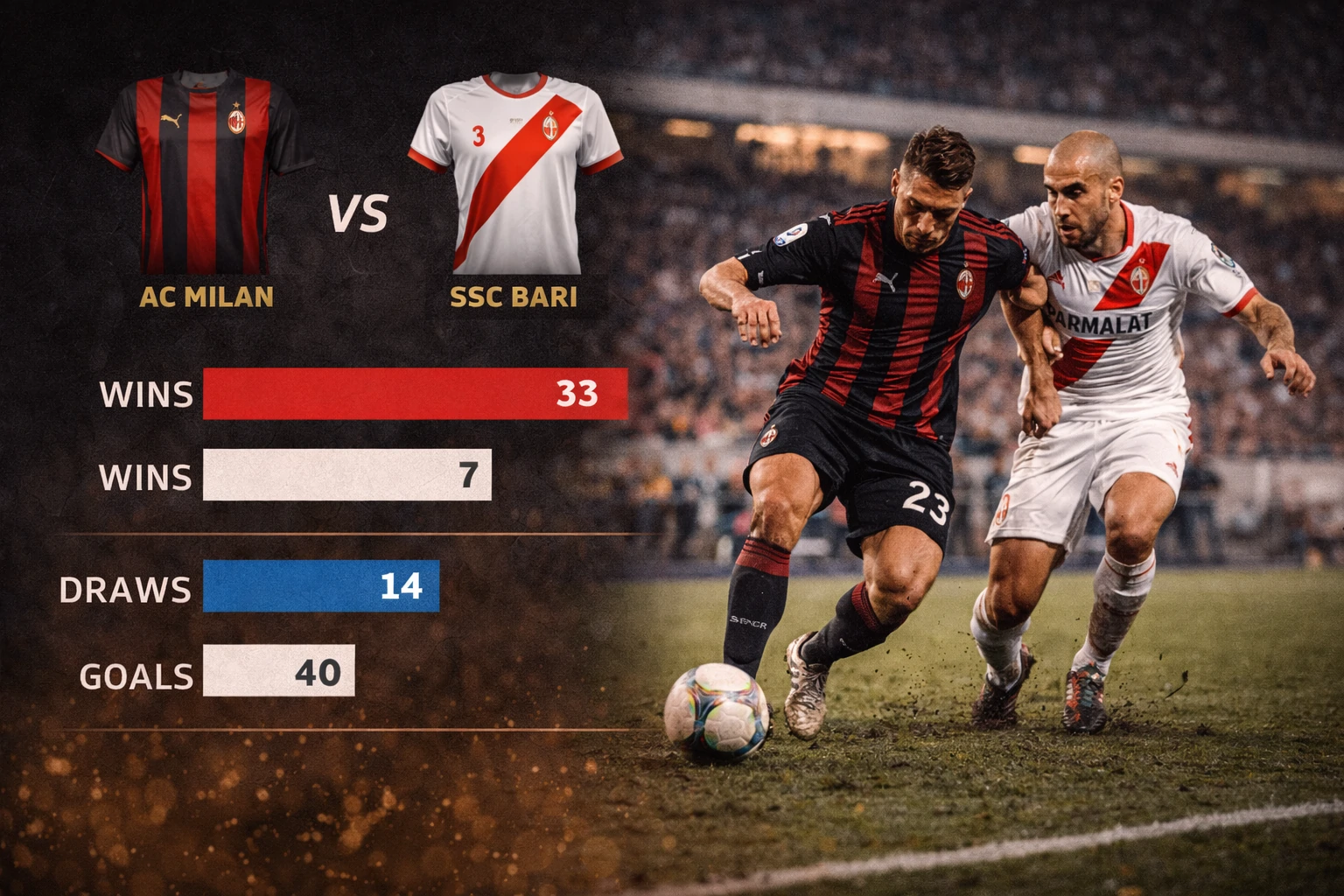
Stats support the timeline story. Milan holds more wins, goals, and away success. Bari performs better at home and relies on defensive shape.
Possession and shot counts usually favor Milan. Bari focuses on compact play and counter chances. Card counts often rise in tight matches due to pressure.
General Match Trends
| Area | Milan | Bari |
|---|---|---|
| Wins | High | Limited |
| Home strength | Strong | Strong |
| Away form | Stable | Weaker |
| Goal average | Higher | Lower |
Why Fans Also Search Other Matchups
Football fans often research multiple fixtures together. Searches such as Espanyol vs Atlético Madrid, Nantes vs PSG, or Man United vs Arsenal reflect similar interest in history, balance, and identity.
Users who read one timeline often explore others to compare dominance and change across leagues. This behavior explains why these searches appear alongside Milan vs Bari.
Common Confusion About This Timeline
Some confusion appears when fans search this matchup online. A few points help clear that up:
- Some websites mix friendly matches with official games. This timeline includes only competitive fixtures from league and cup play.
- A few sources exaggerate rivalry tension. The relationship between these clubs reflects history and respect more than hostility.
- Match lists without dates often cause misunderstanding. Order matters more than total numbers in this timeline.
These points help readers understand the history correctly and avoid common mistakes.
Readers who like comparing historic match data can also review Indiana Hoosiers vs Notre Dame football stats for a detailed numbers-based breakdown.
FAQs
How often did AC Milan and Bari meet in official matches
They played dozens of official games across Serie A and Coppa Italia. Milan won most encounters, especially during dominant periods.
Did Bari ever defeat Milan
Bari recorded a few wins, mainly during more balanced periods such as the 1990s. Those results remain memorable for supporters.
Why are there long gaps in the timeline
League separation caused most gaps. Promotion and relegation placed the teams in different divisions for long periods.
Has this matchup ever decided a major title or promotion
This matchup never decided a league title or promotion directly. Most meetings took place during regular league seasons or cup rounds without final stakes.
Do fans see this as a rivalry or a historic matchup
Fans usually view this as a historic matchup rather than a true rivalry. Respect and tradition define the connection more than competition.
Final Summary
The AC Milan vs SSC Bari timeline tells a calm football story built on change, patience, and structure. Milan represents long-term planning. Bari represents resilience and survival.
This article aimed to give readers clarity without noise. It explained history, stats, standings, and context in one place. Readers now have a complete and reliable view of this matchup that fits modern search needs and real user intent.
This timeline reflects verified historical records and recent Coppa Italia meetings.

